Understanding the Impact of AI on Daily Life
Artificial Intelligence (AI) has increasingly become a part of our daily routines, influencing how we communicate, work, and even manage our households. This article explores the nuanced ways AI affects our everyday lives, based on current research and expert opinions.
The Basics of AI in Daily Life
AI encompasses a range of technologies designed to simulate human-like intelligence and behavior. According to industry experts, AI can be broadly categorized into two types: narrow AI, which is designed for specific tasks (like virtual assistants), and general AI, which aims to perform any intellectual task a human can do. Most applications we encounter daily fall under the category of narrow AI.
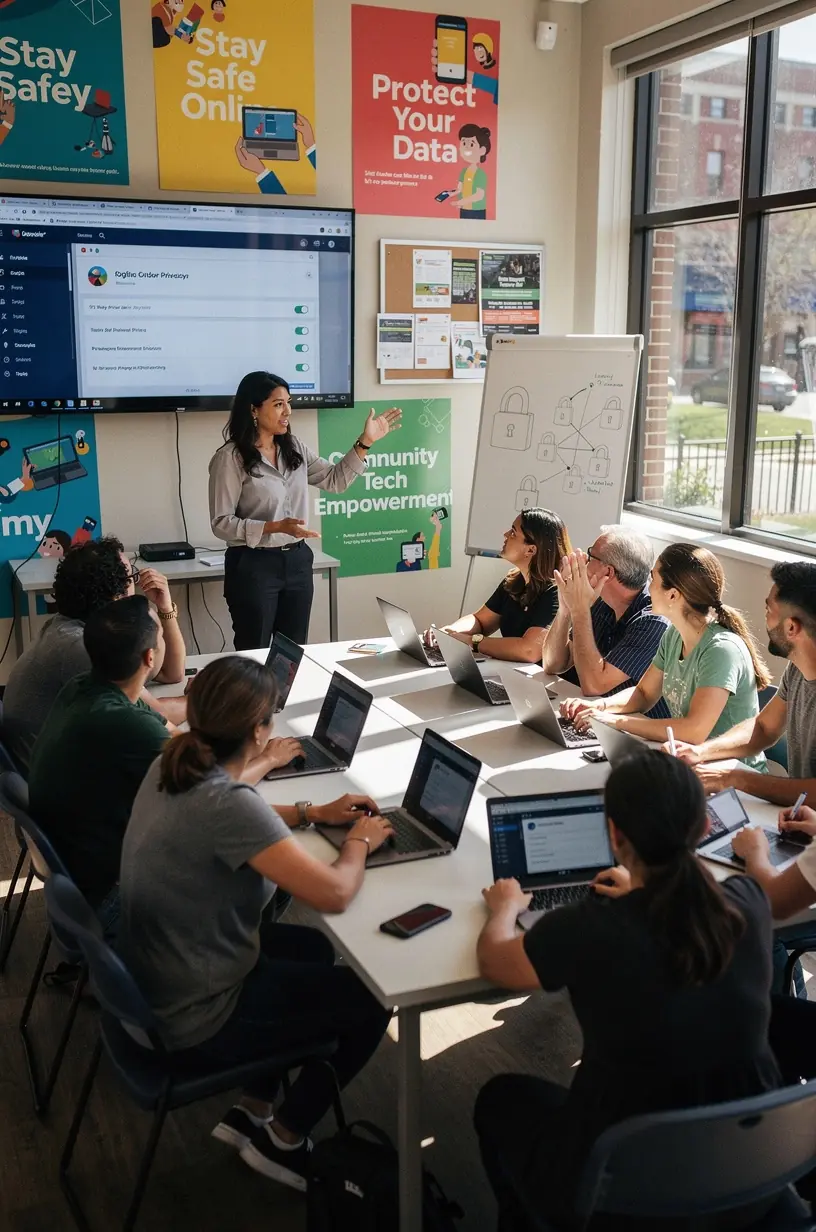
"AI technologies are not just a trend; they are reshaping the way we live and work on a fundamental level." - Tech Industry Expert
Communication and Social Interaction
AI is significantly changing how we communicate. Many users report that AI-driven tools, such as chatbots and virtual assistants, have improved their interactions with businesses and services. For instance, chatbots can handle basic inquiries, freeing human agents to focus on more complex issues. Research indicates that effective use of chatbots can enhance customer satisfaction by up to 30% in various sectors.
Productivity and Efficiency
In workplaces, AI applications can streamline workflows and enhance productivity. For example, studies show that AI can automate mundane tasks, such as data entry and scheduling, allowing employees to concentrate on higher-level responsibilities. This may not only improve job satisfaction but can also lead to an increase in productivity by 20-25% in many organizations.
- AI tools can analyze vast amounts of data quickly, providing insights that would be labor-intensive for humans.
- Implementing AI typically requires a learning curve, as employees need to understand how to interact effectively with these systems.
- Organizations should evaluate their specific needs to determine which AI solutions are most suitable, as not all applications will yield the same results.
Home Automation and Personal Life
In our personal lives, AI has revolutionized how we manage our households. Smart home devices, such as thermostats and security systems, learn user preferences and behaviors to optimize energy usage and enhance security. However, it's important to note that these systems often require significant setup and understanding of user preferences to function effectively.
Challenges and Considerations
While the integration of AI into daily life offers many advantages, there are challenges to consider. Concerns regarding privacy and data security are paramount, as increased connectivity means more personal data may be at risk. Additionally, the reliance on AI can sometimes lead to a reduction in critical thinking skills, as users may become accustomed to having information processed for them.
Conclusion
AI is undeniably becoming an integral part of our daily lives, influencing communication, productivity, and personal management. Industry standards suggest that while the benefits are substantial, it is essential to approach AI with an understanding of its limitations and potential risks. By being informed and mindful, users can effectively navigate the balance between leveraging AI's advantages and maintaining personal agency.